Air Receivers
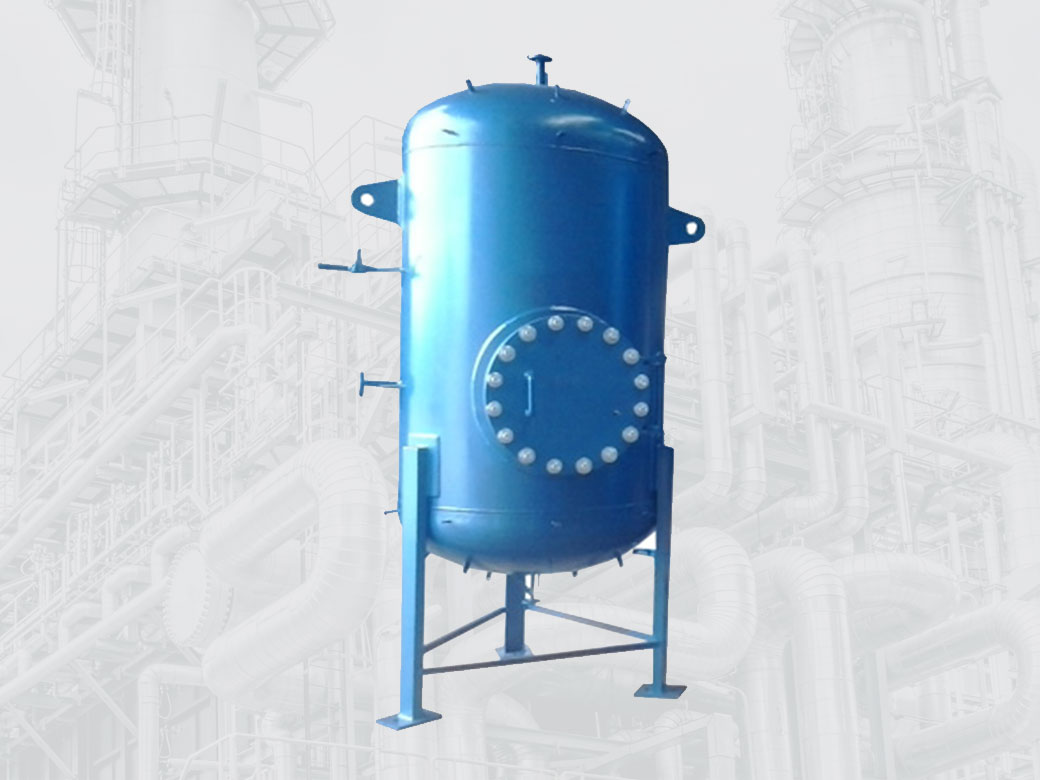
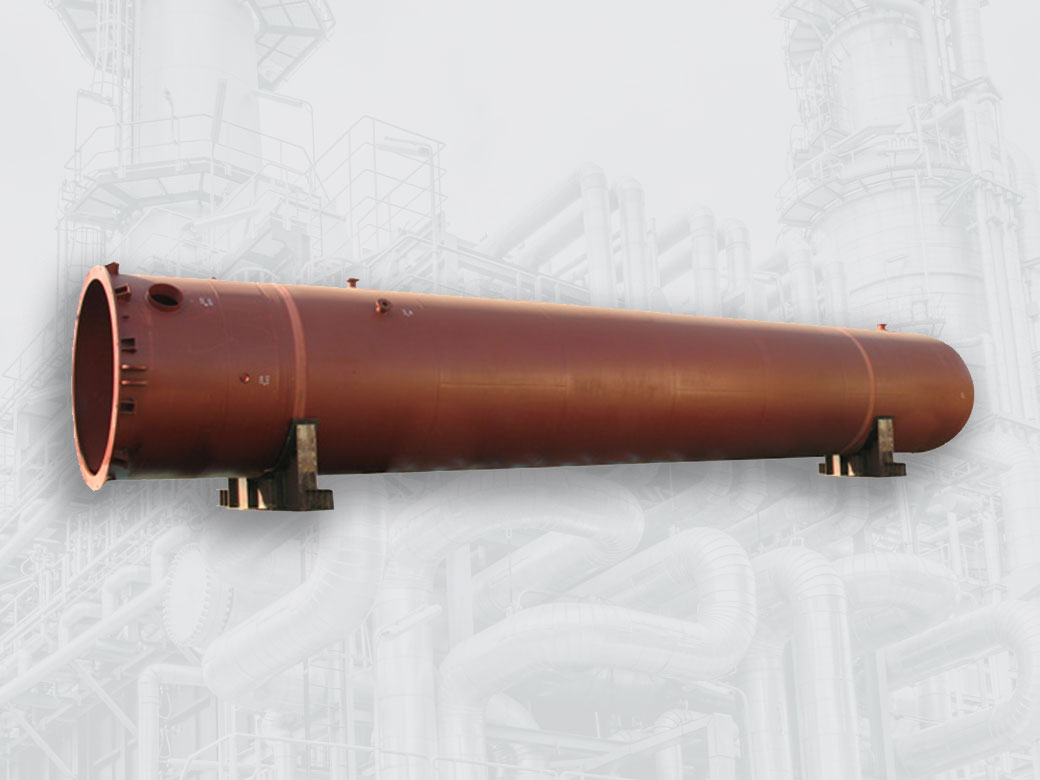
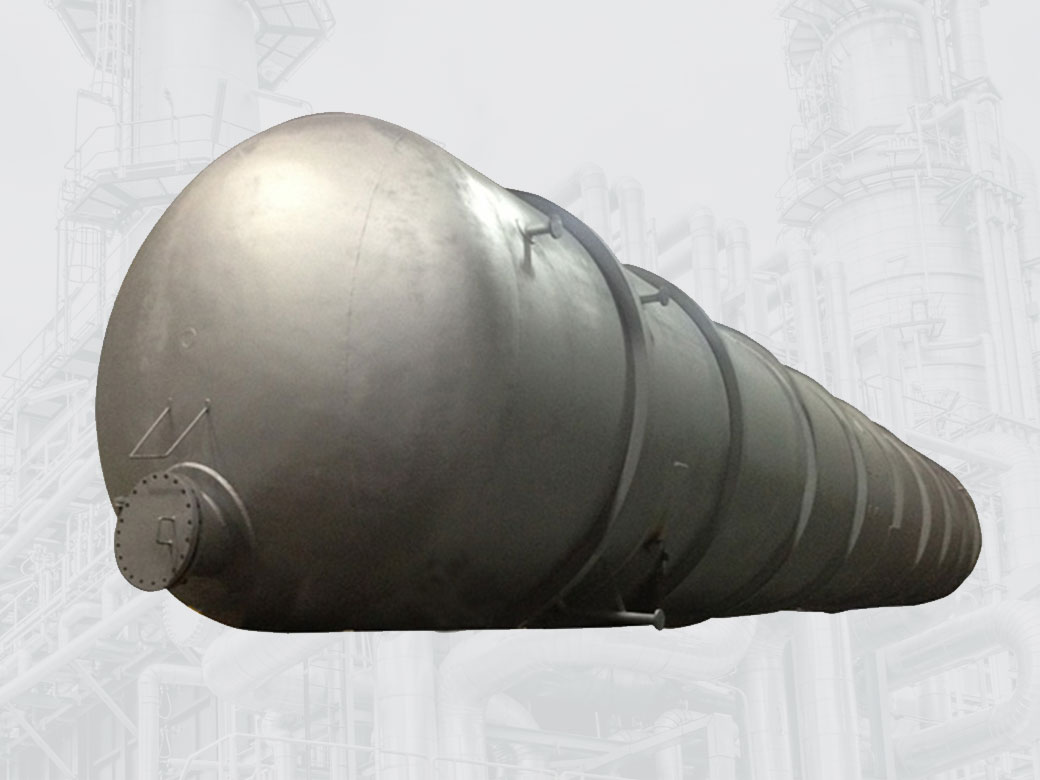
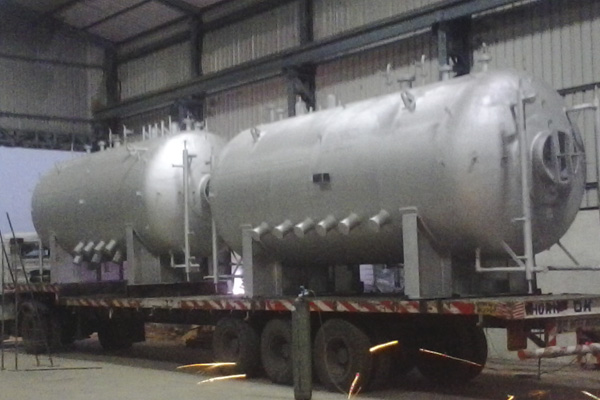
The Air Receiver plays a vital role in any compressed air system as it serves as a storage vessel for a specific volume of air at a designated pressure. Its primary function is to ensure a reliable supply of compressed air to utility points throughout the system.
The construction material of the Air Receiver can vary and commonly includes carbon steel and stainless steel. These materials are chosen based on factors such as durability, corrosion resistance, and the specific requirements of the application.
Our company specializes in designing Air Receivers that comply with industry standards such as ASME section VIII division-I, IS2825, and PD5500. By adhering to these standards, we ensure that our Air Receivers meet the highest quality and safety standards in their design and manufacturing.
We have a proven track record of supplying Air Receivers to various sectors, including Oil & Gas, Compressor, Chemical, Power, and more. Our expertise and experience enable us to provide tailored solutions that meet the unique needs of each industry we serve.
RO Cleaning, RO Cartridge Filters, Filter Separators
Reverse osmosis (RO) is a highly advanced membrane-based filtration technique that effectively removes various types of large molecules and ions from solutions. By applying pressure to the solution on one side of a selective membrane, the solute is retained on the pressurized side while the pure solvent is allowed to pass through to the other side. The membrane selectively blocks large molecules and ions from passing through its pores, while allowing smaller components of the solution, such as the solvent, to freely pass.
We specialize in the supply of top-quality RO equipment that meets stringent design and fabrication requirements set by ASME. The choice of construction material can be either carbon steel or stainless steel, depending on the specific filtration process requirements. Our manufacturing process ensures that the equipment complies with all necessary standards, providing the end user with benefits such as high-efficiency filtration and a long service life.
Steam And Water Drums
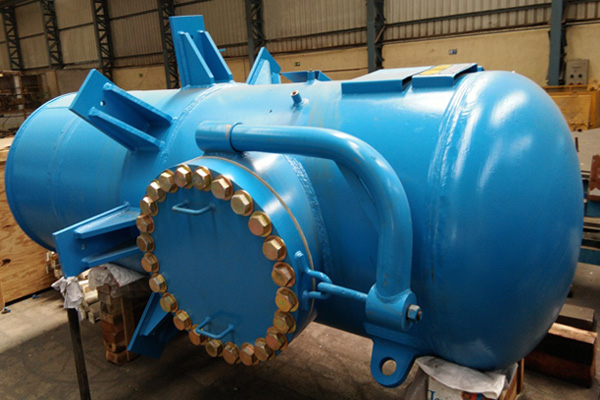
Steam and water drums are essential components of boilers and are classified as high-pressure tanks due to their integral role in the system. The higher working pressure necessitates the use of thicker materials for these vessels. Therefore, the manufacturing process for these drums requires a unique combination of design expertise, advanced fabrication facilities, and compliance with relevant statutory requirements.
With our extensive knowledge and expertise in this field, along with our state-of-the-art manufacturing facility, we have established ourselves as the preferred partner for the efficient production of these high-pressure vessels. Our capabilities enable us to handle the challenges associated with manufacturing drums with increased thickness, ensuring the highest quality standards are met. We are committed to delivering reliable and durable steam and water drums that meet the demanding requirements of boiler systems.
Blow Down Tanks
In Thermal Power plants, the excess steam generated during startup or from various junctions is collected and directed to Blow Down Tanks (BDTs). The purpose of these tanks is to allow the steam to condense, thereby regulating the Total Dissolved Solids (TDS) within the boiler system.
Blow Down Tanks are classified as low-pressure vessels and serve as an integral component of any Thermal Power plant. They play a crucial role in maintaining the water quality and ensuring efficient operation of the boiler system. By collecting and condensing the residual steam, the Blow Down Tanks help control the TDS levels and prevent the buildup of impurities within the system. This contributes to the overall performance, safety, and longevity of the plant's operations.
Flash Tank
Flash tanks are essential in steam systems for the purpose of separating and utilizing high-temperature condensate. They serve two primary functions: flashing steam from high-temperature condensate before introducing it into low-pressure lines, and flashing condensate prior to returning it to the boiler or condensate tank.
These tanks are available in both horizontal and vertical configurations. Horizontal flash tanks operate based on the principle of surface flashing, where the high-temperature condensate is exposed to a larger pool of water, causing it to flash into steam. Due to the larger surface area required, horizontal tanks tend to be larger in size.
On the other hand, vertical flash tanks utilize a cyclone effect to separate the flash steam from the condensate. This design allows for a more efficient separation process and results in relatively smaller tank sizes compared to their horizontal counterparts.
Condensate Pot
Condensate pots serve a crucial role in industrial systems by effectively capturing and containing condensate or foreign materials. Their compact size allows them to be conveniently installed in pipelines or equipment. The primary purpose of condensate pots is to prevent any damage to the metering system or manifold by collecting and holding condensate and any potential debris.
The condensate, along with any accumulated residues, can be easily drained from the bottom valve connection of the condensate pot, ensuring efficient maintenance and operation of the system.
At our company, we offer condensate pots in two material options. Carbon steel (SA 106) condensate pots are available with hot deep galvanized coating, providing excellent corrosion resistance. Additionally, stainless steel (SA312, TP 304) condensate pots are also available, offering enhanced durability and resistance to corrosive environments.
Our condensate pots are meticulously fabricated by qualified welders, using argon welding techniques in compliance with ASME SEC IX standards. To ensure their integrity and performance, the condensate pots undergo thorough hydrostatic testing.
Buffer Vessel
Buffer Vessels play an integral role in cryogenic gas separation units. They are responsible for storing extracted Argon gas from atmospheric gas with a designed system, ensuring a continuous supply of gas at a consistent pressure and purity.
Liquid Carbon Dioxide Storage Vessels are utilized in a wide range of domestic and industrial applications to meet the required quantity of media at desired temperature, pressure, and flow. These tanks are equipped with auto-operated refrigeration and chiller units, which help maintain the optimal pressure and temperature of the media within the vessel.
We specialize in the design of these vessels, catering to capacities typically ranging from 100m3 to 200m3, working pressures up to 25 bar, diameters ranging from 3000mm to 3150mm, and thicknesses up to 28mm. Our designs adhere to standards such as ASME section VIII division-I, IS2825, PD5500, etc. We supply these vessels under the CCOE (Chief Controller of Explosives) certification, serving diverse industries such as Beverages, Oil & Gas, Chemical, Power, and more.